Suction Silicone Divided Toddler Plate: BPA-Free & Easy Clean
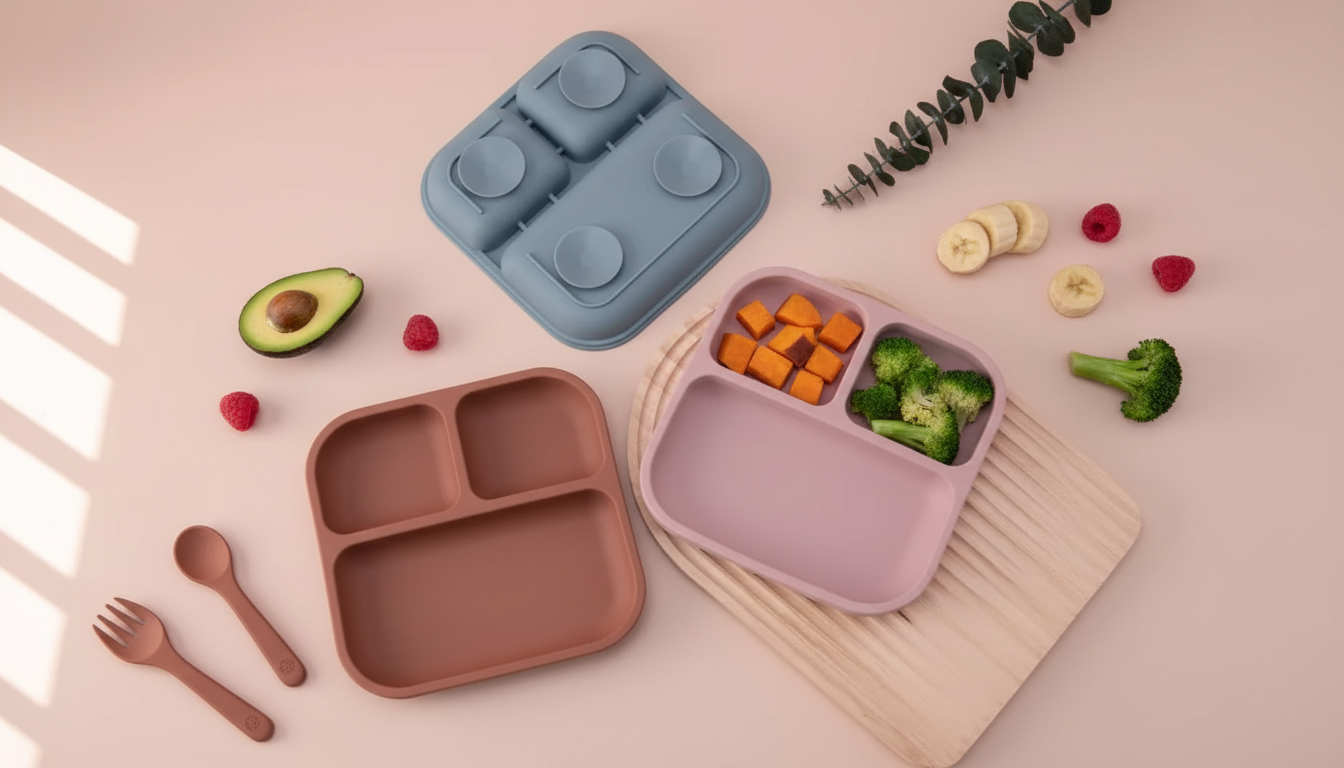
Silicone Divided Baby Plate with Suction: BPA-Free, Easy-Clean Mealtime Help for Toddlers
Toddlers explore food with enthusiasm—and gravity. A silicone divided baby plate with suction helps keep meals on the table, supports simple portioning, and makes cleanup faster, while BPA-free silicone offers peace of mind for everyday use. Whether you’re serving breakfast in a high chair or building a snack plate at the kitchen table, a stable, sectioned plate can turn “messy chaos” into “manageable routine.”
Why a Suction Divided Plate Helps at the Toddler Stage
Toddler feeding is all about learning: gripping utensils, experimenting with textures, and testing boundaries. The right plate supports those milestones without making every meal a full clean-the-floor event.
- Less flipping and sliding: A suction base anchors the plate to smooth tabletops and many high-chair trays, reducing accidental launches.
- Separated foods for picky phases: Divided sections keep items from touching and make “a little bit of everything” feel less overwhelming.
- Better self-feeding practice: Stability helps toddlers scoop, spear, and push food onto utensils without chasing the plate around.
- Works across the day: From snacks to dinner, it’s an easy way to serve variety with fewer spills and less mess.
What to Look for in a Silicone Baby Plate (Practical Checklist)
Not all suction plates perform the same. A few small design details can make a big difference in real-life meals.
- Material: Choose food-grade silicone that’s clearly labeled BPA-free. (BPA is a concern tied to certain plastics; learn more from the U.S. Food & Drug Administration.)
- Suction base size: Wider bases usually grip better on smooth, flat surfaces.
- Compartment layout: Look for separation that works for both wet foods (yogurt, fruit) and dry foods (crackers, toast).
- Edge design: Slightly raised walls help toddlers push food onto a spoon or fork instead of pushing it off the plate.
- Cleaning: Dishwasher-safe options simplify daily routines, and smoother surfaces tend to trap less residue in corners.
For caregivers trying to reduce exposure to certain plastic chemicals overall, the American Academy of Pediatrics offers practical, parent-friendly tips.
Quick Feature Snapshot: Silicone vs. Other Common Toddler Plate Materials
If you’re deciding between materials, compare what matters most for your routine: grip, durability, noise level, and cleanup.
| Material | Best for | Common drawbacks |
|---|---|---|
| Silicone | Suction stability, quieter drops, easy-clean routines | Can attract lint; suction needs a smooth surface |
| Plastic | Lightweight, inexpensive sets | Scratches over time; may stain/hold odors depending on quality |
| Bamboo | Natural look, lightweight | Suction may be weaker; often not dishwasher-safe |
| Stainless steel | Durability, long-term use | No suction; louder; can slide on trays |
Getting the Most Grip: Suction Tips That Actually Work
Even a great suction base can struggle if the surface is working against it. These quick tweaks usually improve grip right away.
- Start clean and dry: Wipe the tray/table and the suction base. Moisture and crumbs break the seal.
- Use smooth surfaces when possible: Heavy texture, curves, and seams reduce contact area and weaken suction.
- Press from the center: Firmly press down in the middle to push out air and form a tight seal.
- Skip cloth placemats: Fabric and uneven wood grain prevent full suction contact.
- Reset suction after greasy meals: A thin oily film can reduce grip—wash, rinse well, and fully dry the base.
Easy-Clean Routine: Daily Wash, Deep Clean, and Stain Prevention
A good divided plate should make cleanup feel predictable. A simple routine helps keep silicone looking and smelling fresh.
- Daily cleaning: Rinse soon after meals so sauces don’t dry into corners and divider edges.
- Dishwasher tips: Place the plate securely so it doesn’t flip and collect water; many families prefer the top rack.
- Odor reset: Soak in hot water with mild dish soap; for lingering smells, a short baking-soda soak can help.
- Stain control: Tomato sauces and berries can tint silicone—prompt washing reduces staining.
- Safety note: Replace feeding items with persistent cracks, tears, or damaged edges that can trap residue.
For general kitchen hygiene around baby meals, follow the CDC’s food safety basics: Clean, Separate, Cook, Chill.
Where a Divided Suction Plate Fits into Real Meals
Dividers are more than “picky eater management.” They’re also an easy way to build balanced plates and keep portions toddler-friendly.
Product Spotlight: Silicone Divided Baby Plate with Suction
If suction and simple cleanup are top priorities, the Silicone Divided Baby Plate with Suction | BPA-Free Easy Clean Toddler Bowl is designed to help meals stay put while keeping foods separated. The BPA-free silicone build supports everyday use, and the easy-clean design is aimed at making post-meal cleanup less of a project—especially for breakfast and snack routines on busy days.
More Helpful Picks for Family Routines
- Car Trunk Organizer “Highway” by Owleys for keeping wipes, spare bibs, snacks, and a change of clothes organized for on-the-go meals.
- Break the Tension: Stress Relief Techniques for quick calming tools—useful when mealtime patience is running low.
FAQ
Why does suction sometimes fail on high-chair trays?
Many high-chair trays are slightly curved or textured, which reduces the contact area needed for a strong seal. Clean and fully dry both surfaces, then press firmly in the center to push out air; suction works best on smooth, flat trays or tabletops.
Is BPA-free silicone safe for baby and toddler dishes?
BPA is primarily associated with certain plastics, while silicone is a different material; choosing food-grade, clearly labeled BPA-free products adds reassurance. Follow care instructions and replace any plate that develops cracks or damage that could trap residue.
How do silicone plates get rid of soap taste or lingering smells?
Rinse thoroughly and consider switching to a mild, less-fragranced detergent if smells persist. A hot-water soak (and, for stubborn odors, a brief baking-soda soak) followed by full air-drying usually helps.









Leave a comment