Quick Stress Relief for Busy Days: Breathe, Ground, Reset
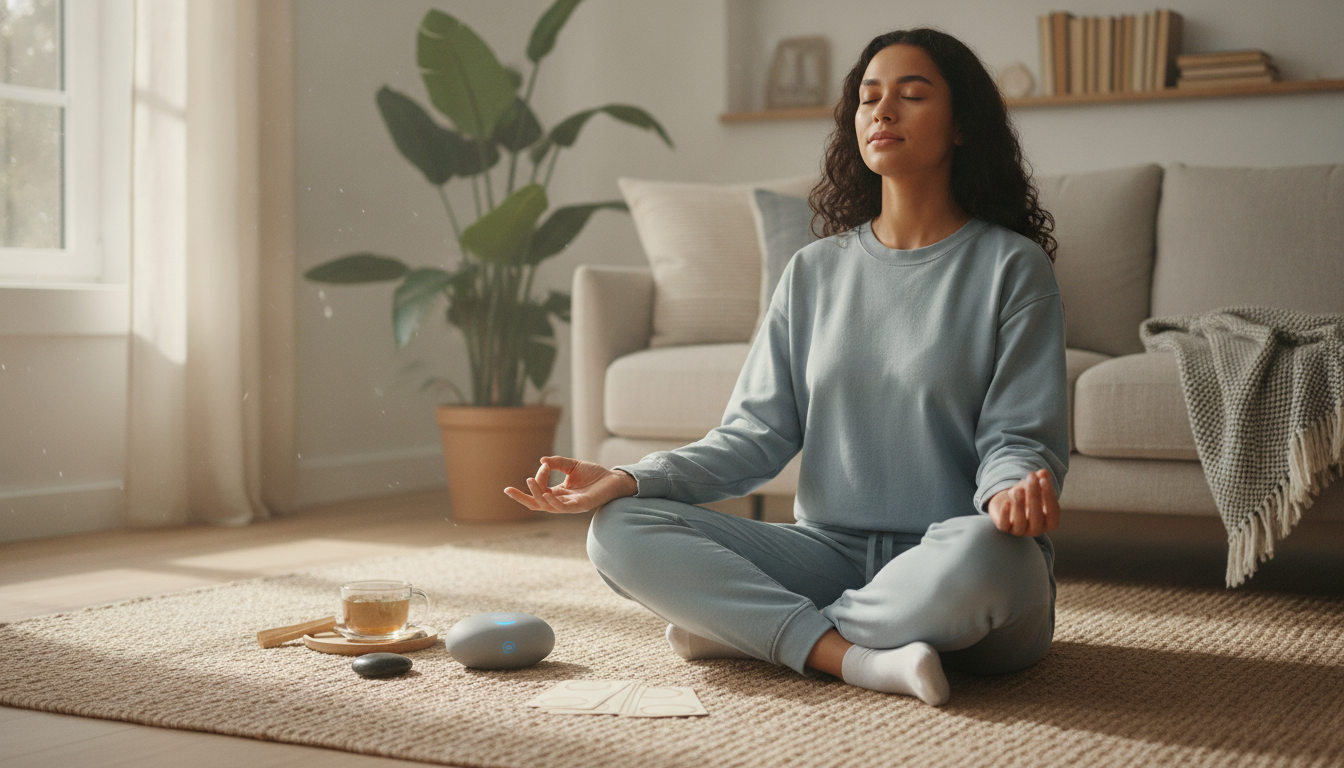
Break the Tension: Simple Stress-Relief Tools for Busy Days
Stress can spike fast—during commutes, meetings, caregiving, or endless to-do lists. The most helpful techniques are the ones that can be done anywhere, in minutes, without special equipment. Below is a practical set of breathing exercises, quick meditations, grounding techniques, and time-management moves that help calm the body, clear the mind, and reduce the sense of pressure throughout the day.
For a deeper overview of stress and how it affects the body, these resources are worth bookmarking: American Psychological Association — Stress, National Institute of Mental Health — Coping With Stress, and NCCIH — Meditation and Mindfulness.
Spot the early signals before stress snowballs
Stress tends to announce itself early. Catching it at the “mild-to-moderate” stage makes it easier to downshift before it turns into snapping, shutting down, or staring at a screen without absorbing anything.
- Common body cues: tight jaw, shallow breathing, chest pressure, clenched fists, upset stomach, headaches, restless legs.
- Common mind cues: racing thoughts, irritability, catastrophizing, difficulty focusing, decision fatigue.
- Fast check-in (10 seconds): rate tension 0–10, notice where it lives (neck/shoulders/chest), then choose one tool below.
- Aim for “downshifts,” not perfection: a small reduction in arousal often restores clarity and patience.
Breathing exercises that calm the nervous system quickly
Breathing is a reliable “remote control” for the stress response because it’s always available and closely tied to the nervous system. The goal isn’t to breathe bigger—it’s to breathe steadier, with a calmer exhale.
Quick breathing menu
| Technique | When it helps most | How long |
|---|---|---|
| Physiological sigh | Sudden spike in stress, tight chest | 30–60 sec |
| Box breathing | Pre-meeting nerves, overstimulation | 2–4 min |
| Extended exhale | Worry loop, irritability, insomnia wind-down | 1–3 min |
- Physiological sigh (30–60 seconds): inhale through the nose, top it off with a second short inhale, then slow long exhale through the mouth; repeat 2–5 times to reduce air hunger and tension.
- Box breathing (2–4 minutes): inhale 4, hold 4, exhale 4, hold 4; keep shoulders relaxed and breathe low into the belly.
- Extended exhale (1–3 minutes): inhale 4, exhale 6–8; longer exhales tend to signal safety to the body.
- On-the-go version: exhale first (fully), then take a gentle inhale; repeat while walking or waiting in line.
- If dizziness occurs: shorten counts, slow down, and return to normal breathing.
Quick meditations that fit into real schedules
These aren’t long sit-down sessions. Think of them as “mental palate cleansers” that reduce reactivity and help attention come back online.
- One-minute “arrive” practice: feel both feet, soften the face, name 3 things seen, 2 things heard, 1 thing felt; end with one slow exhale.
- Body scan micro-reset (2–3 minutes): move attention from forehead to jaw, neck, shoulders, belly, hands; release one area on each exhale.
- Label the thought (60–90 seconds): silently note “planning,” “worrying,” or “remembering” as thoughts arise, then return attention to breath or sound.
- Compassion phrase (1–2 minutes): repeat a short line such as “May I meet this moment with steadiness,” especially after conflict or bad news.
- Best times to use: before starting work, between tasks, after stressful conversations, and during afternoon energy dips.
Grounding techniques for anxious moments and spiraling thoughts
Grounding works by shifting attention from feared predictions back to what’s concrete and safe right now. Use it when anxiety ramps up, when you feel “floaty,” or when a stress loop is playing on repeat.
60-second reset menu (choose one)
| Tool | What to do | Best for |
|---|---|---|
| 5–4–3–2–1 | Walk through the senses in order | Racing thoughts, dissociation |
| Cool water | Cool hands/face, slow exhale | Panic surge, overheating |
| Tense–release | 3 seconds tense, 6 seconds release | Muscle tightness, agitation |
| Orientation | State where you are + next step | Feeling lost or stuck |
Time management moves that reduce pressure (without adding more)
Build a personal “tension break” routine for morning, midday, and evening
A guided resource to keep these tools easy to use
- Step-by-step support: Break the Tension: Stress Relief Techniques – Breathing Exercises, Quick Meditations, Grounding Techniques, and Time Management Tips to Reduce Stress focuses on quick, repeatable tools for real schedules.
- Reduce “life admin” clutter: if your car becomes a rolling stressor, a dedicated organizer can lower visual noise and last-minute scrambling—see the Car Trunk Organizer “Highway” by Owleys.
- Lower sensory spikes at home: if household tasks trigger tension for you (or your pets), consider calmer routines around loud chores—Helping Pets Handle Vacuum Stress offers targeted strategies.
- Hands-free errands and commuting: a comfortable carry option reduces the “where’s my stuff?” scramble—Luxury Stingray Leather Crossbody Bag – Stylish Saddle Design keeps essentials close while you move through the day.
FAQ
What’s the fastest technique to calm down when stress hits suddenly?
Try 2–5 rounds of the physiological sigh (about 30–60 seconds total), focusing on a long, slow exhale. If the mind is spiraling, follow it with one pass of 5–4–3–2–1 grounding to lock attention onto concrete sensory details.
How often should breathing exercises or quick meditations be done?
Aim for 1–3 short resets daily, plus “as-needed” use when tension spikes. Consistency gets easier when you pair a 60–120 second practice with an anchor like getting in the car, starting the laptop, or washing your hands.
Can time management really reduce stress, or is it just more pressure?
It reduces stress when it lowers cognitive load—by shrinking tasks into the next visible action, limiting priorities, batching similar work, and adding buffers. For example, “Handle email” becomes “Answer 3 messages in 10 minutes,” which stops the all-day drip of open loops.











Leave a comment