Stainless Steel Baby Feeding Set: Suction Bowl + Utensils
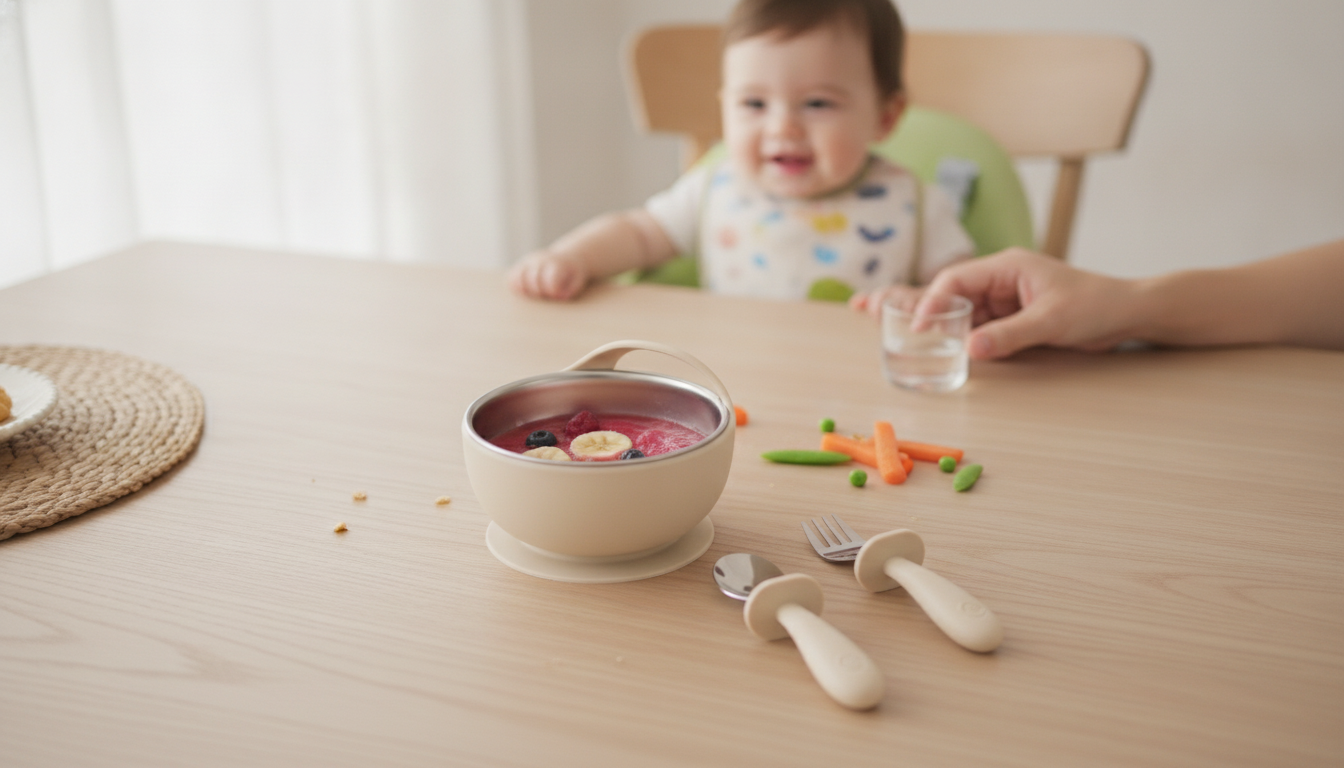
3-Piece Stainless Steel Baby Feeding Set with Suction Bowl, Fork & Spoon
Mealtimes get smoother when a bowl stays put and utensils are easy for little hands to manage. This 3-piece set pairs a sturdy stainless steel bowl with a suction base plus a matching fork and spoon—designed to cut down spills while supporting early self-feeding routines. Whether you’re introducing thicker purees or moving into soft finger foods, the right gear can make daily feeding feel more predictable and a lot less messy.
What’s Included in the Set
This simple 3-piece setup covers the essentials for everyday meals at home or on the go—without extra pieces to track down between breakfasts, snacks, and dinner.
- Stainless steel bowl paired with a suction base to help reduce tipping and sliding
- Baby-friendly fork and spoon sized for early self-feeding practice
- Easy-to-pack set that fits common high-chair trays and tabletop routines
If you want to see the full product listing, visit 3PCS Stainless Steel Baby Feeding Set with Suction Bowls, Fork & Spoon.
Why Stainless Steel Works Well for Baby Meals
Stainless steel is a popular choice for everyday feeding because it’s built for repeated use and frequent washing. While many plastic options can be convenient, caregivers often like stainless steel for its long-term durability and its ability to stay looking (and smelling) fresh over time.
- Non-porous surface that helps resist odors and staining compared with many plastics
- Durable for daily use and less likely to crack or warp with normal handling
- Works well with warm or cold foods and is commonly chosen for long-term use
As you introduce new foods and textures, it’s also helpful to follow trusted feeding guidance and food safety basics. For practical starting points, see the CDC Infant and Toddler Nutrition page and the American Academy of Pediatrics guidance on starting solid foods.
Suction Bowl Basics: Getting a Strong Hold
Suction bowls can be a game-changer, but suction is only as good as the surface and setup. The best results usually come from a clean, smooth, dry surface—think sealed wood, glass, metal, and many high-chair trays. Textured, dusty, wet, or porous materials can let air creep in and weaken the seal.
- Suction works best on clean, smooth, dry surfaces (sealed wood, glass, metal, many high-chair trays)
- Press down firmly to remove air pockets; a quick tug test helps confirm the seal
- Avoid textured, dusty, wet, or porous surfaces where suction can weaken
Quick Setup Checklist for Better Suction
| Step | What to do | Why it helps |
|---|---|---|
| 1 | Wipe the tray/table dry | Moisture can break the seal |
| 2 | Ensure the suction base is clean | Food oils reduce grip |
| 3 | Press down firmly in the center | Pushes out trapped air |
| 4 | Do a gentle pull test | Confirms it’s locked in |
Tip: If you’re eating away from home, bring a small wipe or dry cloth so you can prep the surface before attaching the bowl. A quick clean-and-dry step often makes the difference between “sticks all meal” and “slides in two minutes.”
Fork and Spoon: Building Self-Feeding Skills
Self-feeding is a skill that develops through repetition—spills, drops, and “oops” moments included. A fork and spoon sized for babies can make practice feel less frustrating, especially when the food matches the skill level.
- Offer thicker foods at first (yogurt, oatmeal, mashed vegetables) to help early scooping success
- Model a simple grip and allow practice time—mess is part of learning
- Rotate between spoon and fork based on food texture to reduce frustration
Small routine tweaks can also help: serve smaller portions to start (you can always refill), keep a wipe cloth nearby, and give baby time to explore the utensil before expecting “real bites.” For age-appropriate texture progression and safety reminders, the FDA food safety guidance for babies is a helpful reference.
Care, Cleaning, and Everyday Safety Habits
Feeding sets work hardest when they’re easy to clean and easy to trust at the next meal. A few consistent habits keep the set in better condition and help you spot wear early.
- Wash after each use; check edges and surfaces for damage before serving food
- Let parts dry fully before storing to keep the suction base in better condition
- Use under adult supervision and follow age-appropriate feeding guidance for utensils and textures
When suction seems weaker over time, it’s often due to a thin film of oil or soap residue. A thorough rinse and full dry can restore better grip for the next meal.
At-a-Glance Product Details
Product Snapshot
| Item | Details |
|---|---|
| Name | 3PCS Stainless Steel Baby Feeding Set with Suction Bowls, Fork & Spoon |
| Price | $10.51 USD |
| Stock status | In stock |
| What’s included | Suction bowl + fork + spoon |
More In-Stock Finds for Everyday Routines
- 3PCS Stainless Steel Baby Feeding Set with Suction Bowls, Fork & Spoon (the mealtime essential)
- Car Trunk Organizer “Highway” by Owleys (helpful for keeping wipes, bibs, and snacks within reach)
- Break the Tension: Stress Relief Techniques (quick strategies for busy days)
FAQ
Why isn’t the suction bowl sticking well?
Suction holds best on a smooth, clean, dry surface. Remove any moisture or food oils, press down firmly to push out trapped air, and avoid textured or porous trays where air can sneak in and weaken the seal.
Is stainless steel a good choice for baby feeding sets?
Stainless steel is commonly chosen for durability and its non-porous surface, which can help resist lingering odors and stains. It also holds up well to everyday use, making it a practical option for long-term feeding routines.
How should the set be cleaned and stored?
Wash after each use, rinse well, and dry thoroughly—especially around the suction base—before storing. Inspect the bowl and utensils regularly for damage or wear, and keep everything stored clean and dry between meals.









Leave a comment