Microwave-Safe Silicone Bento Box for Easy Meal Prep
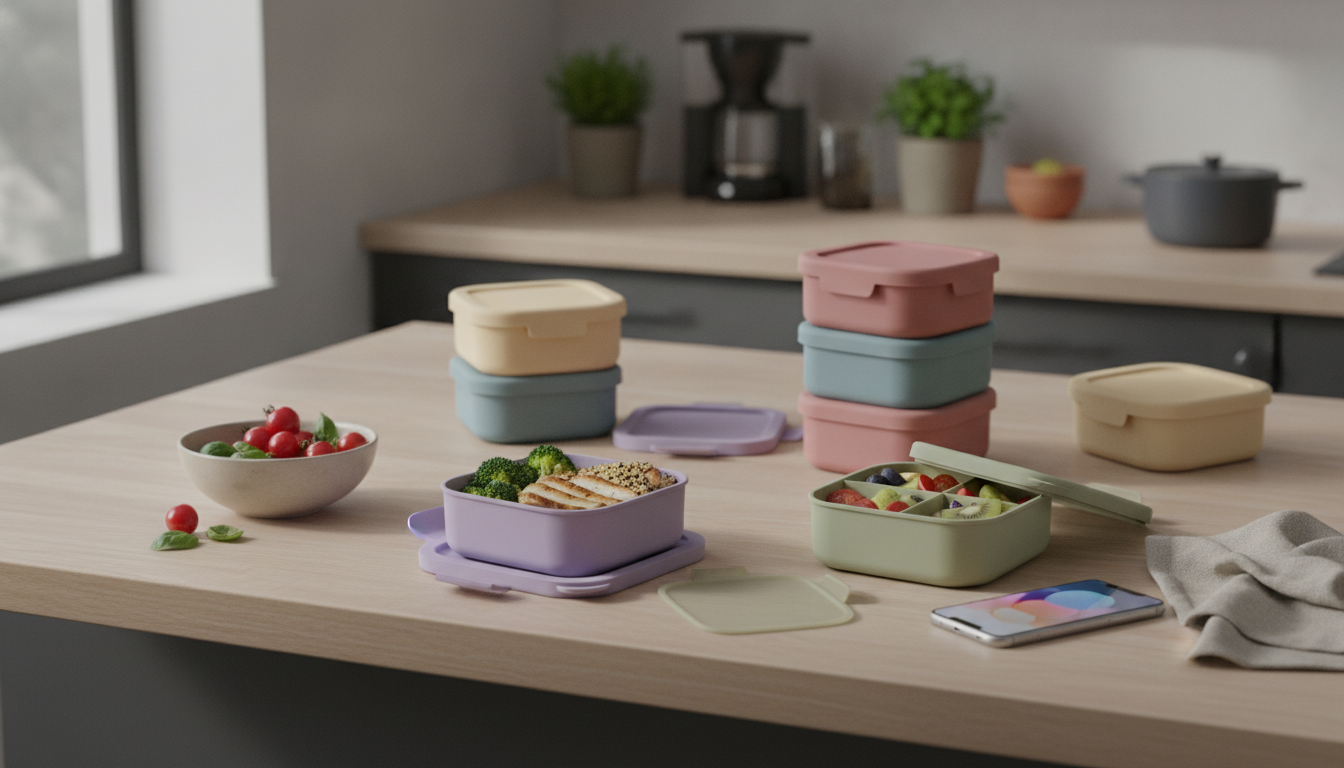
Portable Silicone Bento Lunch Box for Microwave-Safe, BPA-Free Food Storage
A compact bento box can simplify weekday meals, reduce single-use packaging, and keep portions organized. A portable silicone lunch box is built for everyday food storage with microwave-safe reheating and BPA-free materials—useful for work, school, travel, and meal prep when you want one container that does more than just “hold food.”
What Makes a Silicone Bento Lunch Box Practical
Traditional rigid plastic containers can be bulky, while single-compartment boxes often turn lunches into one mixed pile by noon. A silicone bento lunch box solves common packing problems with a few practical design choices:
- Flexible silicone body: Easier to handle, less awkward in tight cabinets, and typically lighter for commuting.
- Bento-style compartments: Helps separate mains, sides, and snacks so flavors and textures stay distinct.
- Microwave-friendly design: Reheat without transferring to a separate plate, which saves time and reduces dishes.
- BPA-free construction: Designed for regular food contact with materials many shoppers prefer for daily use.
- Portable form factor: Fits well in backpacks, tote bags, and office fridges, especially when stacking matters.
If BPA is a concern, the U.S. Food & Drug Administration provides background on BPA use in food-contact applications and current regulatory context here: FDA — Bisphenol A (BPA): Use in Food Contact Application.
Everyday Use Scenarios
Bento-style containers shine when a lunch has multiple “components” and you want them to stay that way until you eat.
- Office lunches: Pack a main plus fruit or vegetables in separate sections so salads stay crisp and snacks don’t pick up sauce.
- School meals: A portion-friendly layout makes it easier to include variety without juggling several small containers.
- Meal prep: Pre-pack multiple lunches to reduce morning prep time and keep servings consistent.
- Travel days: Keep snacks organized and accessible without digging through multiple baggies.
- Leftovers: Store dinner portions for next-day reheating so last night’s meal becomes an easy lunch.
For safe leftover handling and timelines, reference: USDA FSIS — Leftovers and Food Safety.
Quick Feature Guide: What to Look For
Not every bento container performs the same way. Matching features to how you actually eat is the difference between “used daily” and “forgotten in a drawer.”
- Microwave safety: Confirm the container is intended for reheating and follow any lid/vent guidance.
- Material safety: Look for BPA-free, food-grade materials for routine use.
- Compartment layout: Think about saucy foods vs. dry snacks and which you’ll pack most.
- Portability: A shape that stacks and fits common lunch bags makes daily use simpler.
- Cleaning routine: Consider how quickly it rinses and whether dishwasher use is allowed (if specified).
Feature-to-Use Match
| Feature | Why it matters | Best for |
|---|---|---|
| Compartmented bento layout | Keeps foods separated to preserve taste and texture | Salads + protein, fruit + snacks, mixed meal prep |
| Microwave-safe reheating | Reduces extra dishes and makes hot lunches convenient | Office kitchens, dorms, quick leftovers |
| Silicone construction | Flexible, lightweight, and easy to pack | Commuting, travel days, tight storage spaces |
| BPA-free materials | Supports safer everyday food contact | Daily use for adults and kids |
Microwave and Food Storage Tips (For Better Results)
A few small habits help keep food tasting better while reducing mess and uneven reheating.
- Reheat in short intervals: Pause to stir where possible for more even warming.
- Place wetter foods thoughtfully: Keep sauces or very wet foods in the most secure compartment to reduce leaks.
- Cool briefly before sealing: Let hot foods cool a bit to reduce condensation and sogginess.
- Don’t overfill: Leave a little headspace to minimize leaks and compression when the lid closes.
- Date meal-prep portions: Label containers when storing multiple lunches so older meals get used first.
Care and Cleaning Basics
Silicone containers are often chosen for everyday practicality, and keeping them fresh is mostly about quick, consistent care.
- Wash promptly: This helps prevent lingering odors from strong foods like garlic, curry, or tuna.
- Use gentle tools: A soft sponge works for routine cleaning; soak briefly for stubborn residue.
- Dry fully: Let the container air-dry before storing so it stays fresh between uses.
- Handle odor/discoloration: A baking-soda soak can help (use material-safe cleaning practices).
- Check product instructions: Follow any stated temperature limits and dishwasher guidance.
A Simple Packed-Lunch Formula (That Fits Bento Compartments)
If packing lunch feels repetitive, use a simple “template” that still leaves room for variety. Compartmented bento containers make this easy to repeat without making meals feel identical.
- Main compartment: Protein + grain (chicken and rice, tofu and quinoa, pasta salad).
- Side compartment: Crunchy vegetables or a salad base to keep it crisp.
- Snack compartment: Fruit, nuts, yogurt toppings, or a small treat.
- Add-ons: Dressing or sauce kept separate until eating when possible.
- Goal: Comfort, nutrition, and texture variety—without extra containers.
Product Options In Stock
If you’re ready to upgrade weekday lunches, these in-stock picks support practical packing and on-the-go organization:
- Portable Silicone Bento Lunch Box – Microwave Safe & BPA-Free Food Storage ($22.51)
- Car Trunk Organizer “Highway” by Owleys ($35.02) for keeping lunch bags, groceries, and meal-prep coolers stable during commutes
- Break the Tension: Stress Relief Techniques ($8.99) to support routines that make weekday meal planning feel more manageable
FAQ
Can a silicone bento lunch box go in the microwave?
Yes if it’s labeled microwave-safe. Reheat in short intervals, follow any lid or vent instructions, and avoid overheating foods that can dry out quickly.
Is BPA-free food storage important for daily use?
BPA-free materials are commonly chosen to reduce exposure to BPA from food-contact items. Check the manufacturer’s material claims and follow the recommended care instructions to maintain performance over time.
How can leaks be reduced with compartment lunch boxes?
Don’t overfill, keep thin liquids minimal, and place wetter foods in the most secure section. Transport the container level when possible and ensure the lid is fully sealed before packing.









Leave a comment