Sturdy Dog Car Hammock w/ Side Flaps for Clean Seats
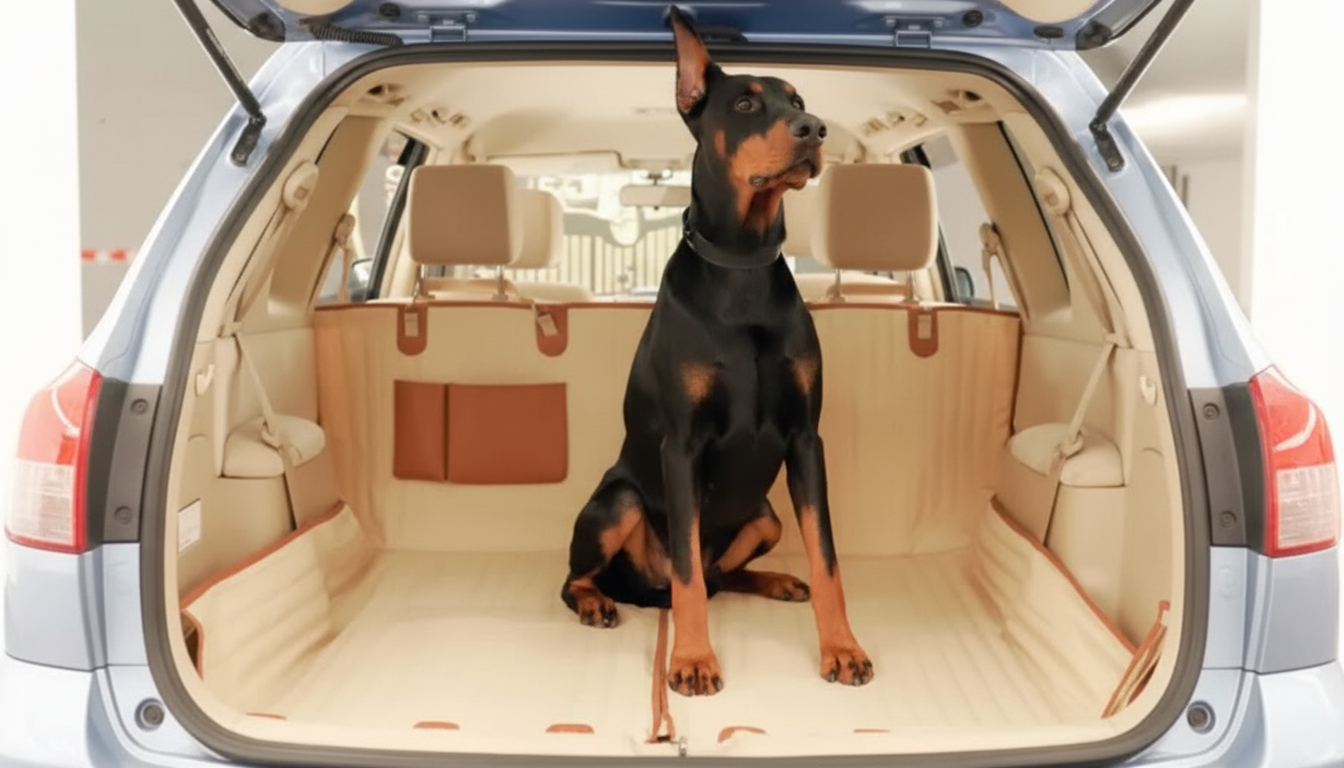
Sturdy Car Dog Hammock With Side Flaps: Clean Seats, Safer Rides, Easier Trips
A well-built dog hammock protects the back seat from fur, mud, and claws while giving dogs a more stable surface to ride on. Side flaps add coverage where most mess and scratching happens—along doors and seat edges—so cleanup is faster and upholstery stays in better shape. For everyday errands and longer drives alike, a sturdy hammock helps keep the car more passenger-ready without turning every trip into a detailing project.
What a dog hammock with side flaps solves
A standard seat cover can handle basic shedding, but many of the real problems happen around the edges—where paws brace during turns, where drool runs down a door panel, or where sand drops into seat creases. A hammock style with side flaps is designed to address those high-mess, high-wear zones.
- Covers the back seat and helps bridge the footwell gap to reduce slipping and paw pressure on seat edges.
- Side flaps protect doors and bolster areas from scratches, drool, and wet fur.
- Helps contain shedding, sand, and debris so it doesn’t spread into seams and carpet.
- Creates a consistent “place” for the dog, which can reduce pacing and jumping between seats.
- Makes post-ride cleanup simpler—shake out, wipe down, or remove to wash depending on material.
There’s also a safety angle: keeping dogs more contained in the back seat helps reduce driver distraction. The National Highway Traffic Safety Administration highlights the risk of distracted driving, and an unsettled pet can add to that load during braking, lane changes, and merges (NHTSA: Distracted Driving).
Key features to look for in a sturdy build
Not all hammocks hold up to daily use, especially with larger dogs, frequent wet rides, or sharp nails. A “sturdy” build comes down to materials, grip, and stress-point construction.
- Tough, water-resistant fabric that resists punctures and claw scuffs, especially in the center where dogs shift their weight.
- Non-slip backing or seat anchors that keep the cover from sliding during turns and braking.
- Reinforced stitching at high-stress points (strap junctions, corners, and seat anchors).
- Strong headrest straps with secure buckles that hold tension without loosening over time.
- Side flaps that stay upright and wide enough to shield door panels and seat edges when a dog leans or braces.
- Seat belt access openings (or compatible harness tether points) to maintain safer restraint options.
For broader travel safety, the American Veterinary Medical Association recommends planning for secure, controlled transport and avoiding situations where a pet can interfere with driving (AVMA: Traveling with Your Pet).
Quick fit and compatibility checklist
Before picking a hammock, confirm it fits your vehicle layout and doesn’t block the features you rely on. A quick check now prevents returns and frustration later.
Feature guide for choosing the right back-seat hammock
| Feature | Why it matters | What to look for |
|---|---|---|
| Side flaps | Protects doors and seat edges from scratches and grime | Wide, structured flaps that stay up when doors close |
| Non-slip base + anchors | Reduces sliding and bunching that can stress seams | Grippy backing and seat anchors (tubes/weights) along the crease |
| Water resistance | Blocks drool, wet paws, and spills from soaking into upholstery | Coated fabric and sealed or tight stitching in key areas |
| Strap strength | Maintains hammock shape under shifting weight | Thick webbing straps and sturdy buckles with easy adjusters |
| Seat belt access | Supports safer restraint setups | Reinforced openings or zipper slots aligned to buckles |
Using a hammock with side flaps for calmer, safer car rides
If you travel across state lines or plan hikes and stops, it’s also smart to review general pet travel guidance for health and logistics (food, breaks, and documentation), such as the CDC’s recommendations (CDC: Traveling with Pets).
Care, cleaning, and durability tips
If vacuum noise makes cleanup harder, a calming aid can make routine maintenance less stressful for sensitive pets. See Helping Pets Handle Vacuum Stress.
Product spotlight: Sturdy Car Dog Hammock With Side Flaps
When the goal is a cleaner back seat and a more controlled riding area, Sturdy Car Dog Hammock With Side Flaps is designed to cover the back-seat surface while adding protection along the sides to help shield doors and seat edges. It’s a practical option for frequent use—daily errands, vet visits, and weekend drives—especially for dogs that shed heavily, get carsick, or track in dirt after outdoor time.
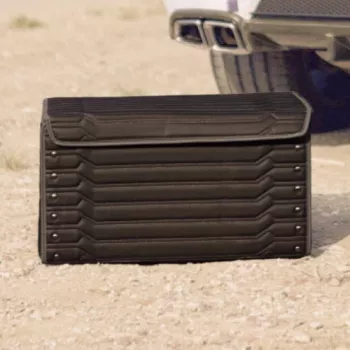
For a more organized setup overall, pair seat protection with contained storage for leashes, wipes, towels, and travel bowls. Car Trunk Organizer “Highway” by Owleys helps keep gear from rolling around and makes it easier to keep “dog stuff” separate from everyday cargo.
FAQ
Do side flaps really prevent door scratches?
They help by creating a barrier where dogs often brace their paws—along the door panel and seat edge—especially during turns or when the door opens. Best results come from flaps that are tall and wide enough, plus straps tightened so the flaps stay positioned instead of collapsing.
Can a dog hammock be used with a seat belt harness?
Many hammocks include reinforced access points for seat belts, allowing a harness to be buckled in while the cover stays in place. Use a properly fitted harness and the vehicle’s seat belt system rather than clipping to weak or untested attachment points.
How is a hammock different from a standard bench seat cover?
A hammock spans between front and rear headrests to cover the footwell gap, which can reduce slipping and can discourage dogs from climbing into the front. A bench cover typically lays flat on the seat only, offering less containment and less protection in the gap and along the seat edges.








Leave a comment