Cute Cartoon Ceramic Elevated Pet Bowl for Tidier Meals
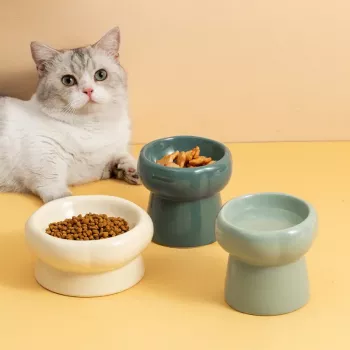
Ceramic Elevated Pet Bowl with Cute Cartoon Design: Comfort, Cleanliness, and Everyday Charm
An elevated ceramic bowl can make everyday meals feel a little smoother—less bending for your pet, fewer crumbs skittering across the floor, and a feeding station that looks intentional instead of improvised. When you add a cute cartoon design, the bowl becomes part of the room rather than something you try to hide in a corner. Below are practical, pet-focused considerations to help you decide if an elevated ceramic bowl fits your home and routine. For more guidance, see Understanding Dog Food Labels: Croney Research Group.
What an Elevated Ceramic Bowl Changes at Mealtime
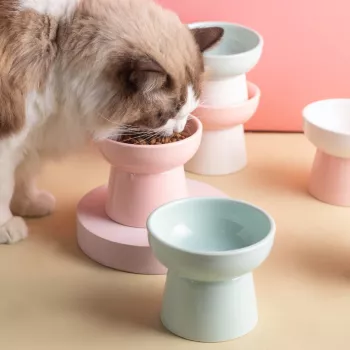
Raising the bowl off the floor can encourage a more natural feeding posture for many pets—especially longer-necked cats and dogs, or pets that simply prefer not to crouch deeply. While every animal is different, a modest lift often means less neck flexion and a calmer stance during meals. For further reading, see Weight Loss in the Elderly Cat: Appetite is Fine, and … – PMC.
Elevation also creates a dedicated “spot” for food and water. Instead of a dish that wanders across tile with every enthusiastic lick, a raised setup tends to keep the action contained. Ceramic adds another advantage here: it has a solid, grounded feel that can discourage sliding and tipping when your pet gets excited about dinner.
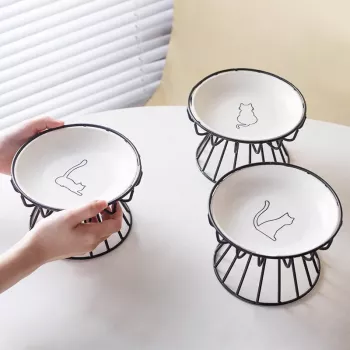
Finally, there’s the day-to-day aesthetic. Cartoon styling may sound purely decorative, but it can help the feeding area feel integrated with your home’s style—particularly in smaller spaces where pet items are always in view.
Why Ceramic Is a Popular Choice for Food and Water
Ceramic bowls are widely used for one simple reason: they’re easy to live with. With an intact, non-porous glaze, ceramic tends to resist odor absorption and wipes clean more easily than many porous materials. That matters if you serve wet food, mix toppers, or notice lingering smells in lighter bowls over time.
Weight and stability are another major plus. Many pets push bowls without meaning to—especially when chasing the last bits of kibble around the rim. A heavier bowl often stays put, which can reduce spills and the need to reposition dishes multiple times a day.
Ceramic works well for both wet and dry foods, and many options are dishwasher-friendly when the manufacturer indicates it’s safe. It also avoids a common frustration with some plastics: deep scratching that can hold residue over time. For general feeding guidance, reputable resources like the American Veterinary Medical Association (AVMA) and the U.S. Food & Drug Administration (FDA) offer helpful pet nutrition and pet food information.
Comfort and Safety Considerations for Elevated Feeding
The “right” height is the one that lets your pet eat and drink with a relaxed neck angle—no deep bending, but also no stretching upward. Too high can look elegant on the floor yet feel awkward to your pet; too low can defeat the purpose. If you’re unsure, observe posture for a few meals and watch for signs like stepping back, hesitating, or trying to eat from the side.
For fast eaters, elevation alone usually won’t slow the pace. If speed is a concern, consider a compatible slow-feeder insert designed for safe pet use—just make sure it sits securely and doesn’t create a choking hazard or unstable wobble.
Quick Fit Guide for an Elevated Bowl Setup
| Pet type | Common feeding challenge | Elevated bowl setup tip | Extra note |
|---|---|---|---|
| Small dogs & cats | Messy drinkers | Pick a steady, wide base and a bowl depth that limits splashes | Use a washable mat underneath for easy daily reset |
| Medium/large dogs | Bowl sliding/tipping | Heavier ceramic with an elevated stand helps stability | Confirm the stand footprint fits the feeding area |
| Senior pets | Stiffness when bending | Aim for a comfortable head position without stretching upward | Adjust gradually and observe posture for a few meals |
| Multi-pet homes | Crowding or guarding | Use separate elevated stations spaced apart | Keep water access in more than one location |
Design Details That Matter (Beyond the Cute Cartoon Look)
Cleaning, Care, and Placement Tips
Who This Bowl Style Is Best For
Product Spotlight: Ceramic Elevated Pet Bowl with Cute Cartoon Design
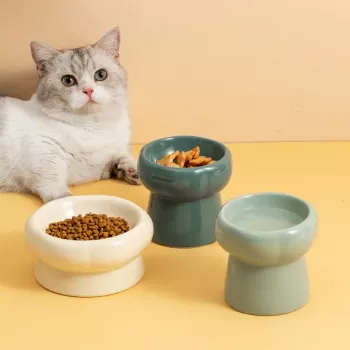
The Ceramic Elevated Pet Bowl with Cute Cartoon Design is designed to keep the feeding area neater while supporting a more comfortable eating posture for many pets. Its playful cartoon styling adds character without turning the bowl into a “novelty-only” item, and the solid ceramic build can improve stability compared with lighter materials.
Calm Routines Pair Well with Better Feeding Stations
Feeding comfort is part of the bigger picture: a calm environment and predictable routines can make meals smoother too. If your pet is sensitive to household noise, consider pairing a tidy feeding setup with training and stress-reduction strategies like Helping Pets Handle Vacuum Stress to support a more relaxed home experience.
FAQ
Is an elevated bowl a good idea for cats and small dogs?
Many cats and small dogs do well with a raised bowl, especially when the height is modest and supports a neutral neck position. Introduce it and watch your pet’s posture for a few meals to confirm it looks comfortable and natural.
How often should a ceramic pet bowl be cleaned?
Wash food bowls daily and refresh water frequently while cleaning the water bowl regularly. Avoid abrasive scrubbers that can dull the glaze, and replace any bowl that becomes chipped or cracked.
What should be checked before buying a ceramic elevated bowl?
Confirm the bowl is stable, the height suits your pet’s posture, and the capacity matches portion and hydration needs. Also check the stand footprint for your space and inspect the glaze for chips, cracks, or crazing before regular use.







Leave a comment